Hey Guys, Want Boulder Shoulders?
The military press is a universal favourite for hitting the anterior & medial deltoids as well as engaging the traps & triceps…
Here we look at how to get the most out of your overhead presses…
Private Gyms in Reading & Pangbourne, Mobile Personal Trainer: Reading, Mortimer & Berkshire

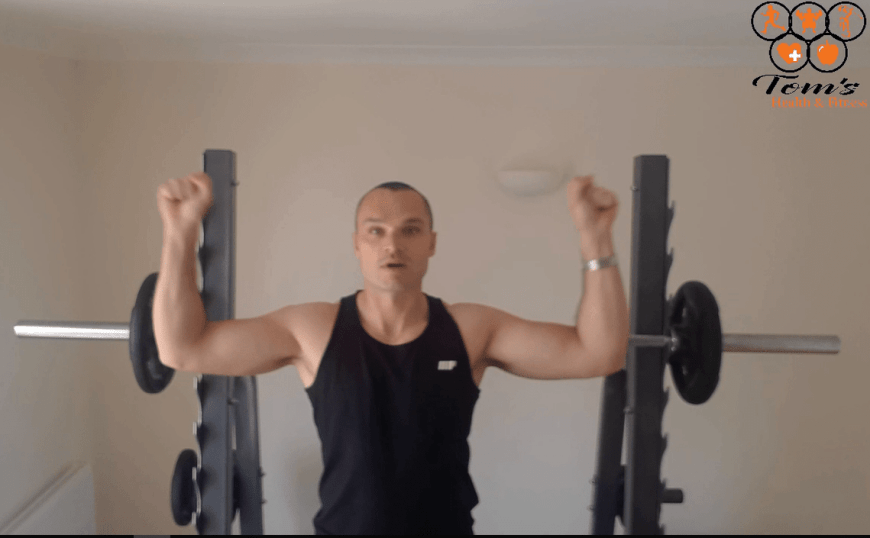
Hey Guys, Want Boulder Shoulders?
The military press is a universal favourite for hitting the anterior & medial deltoids as well as engaging the traps & triceps…
Here we look at how to get the most out of your overhead presses…
Today is a brief one where we’re looking at why good technique is so important…
In exercise, as with many things there are more than way of doing things…again though there is usually an optimum way ie. the best technique…
In exercise & sport correct technique is vital to prevent injury and protect muscles, soft tissue & joints…
Think about an overhead shoulder press…You load the bar up with as much weight as you can just about move, you then try to throw it above your head with jerky, snapping motions and lock your elbows at the top…Just imagine how much stress that places on your shoulder, rotator cuffs and elbows – it won’t be long before you pull or tear something
Benefits of Good Technique:
Tips:
Remember:
You don’t get in a car for the 1st time & know how to drive….Like driving exercises are a skill that must be learn’t
Happy Health,
Tom’s
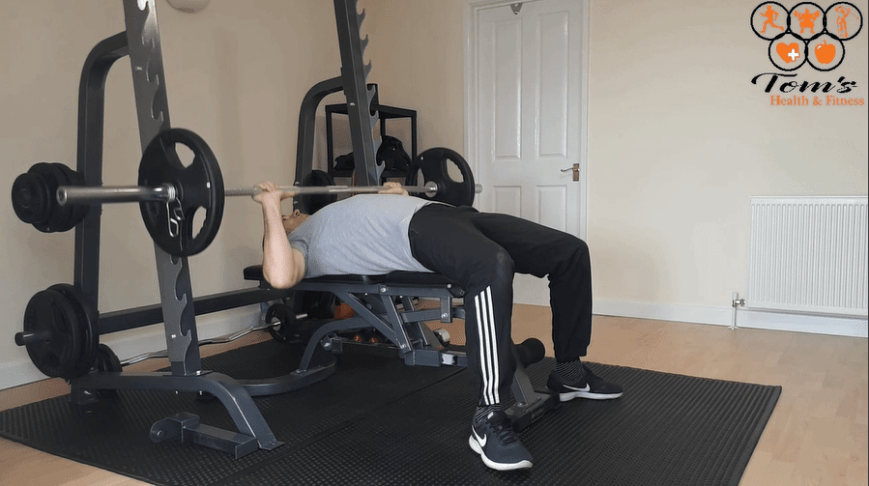
Get the most from your Bench Press by following these top tips…
You’ll slap big slabs of strong muscle on your chest in no time…
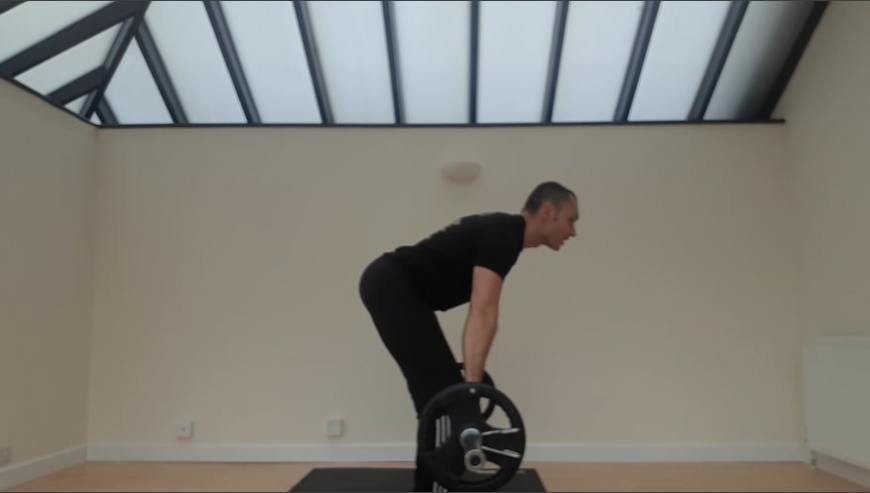
Bent Rows are awesome!
They are great for developing the middle of the back (traps) which controls scapular retraction…As a compound (multi joint) exercise they also engage the biceps and rear deltoids.
This makes them a great exercise for building strength & muscle mass… Today we’re looking at how to get the most from them & safely…
Often resistance or weight training is universally referred to as ‘strength training’, even by personal trainers. This is worrying as in the majority of cases the style of resistance they’re relating to is far from ‘Strength Training’…
It’s important to understand the difference.
Resistance Training
This is simply the process of applying resistance to a given movement therefore forcing the muscles to work harder, resulting in micro tears and inflammation. In time, given adequate nutrition & rest, this can result in larger and/or stronger muscles. The way in which this is done though will have a huge influence on the outcome.
Strength Training
Technically known as ‘Myofibrillar Hypertrophy, this is the neuromuscular process of increasing a muscles force production. This is done by lifting heavy weights in an explosive manor for short periods of time. In our world we often refer to this as ‘high weight, low rep’. This style of training relies on explosive contractions and adaptations within the muscles actin and myosin fibres which produce the contractions.
Size Training
Technically known as Sarcoplasmic Hypertrophy this uses metabolic overload and the accumulation of blood and sarcoplasmic fluid within a muscle to produce micro tears to the lining , the result is an increase in size & glycogen (sugar) storage but not necessarily strength. These adaptions are achieved by working the muscle under tension for longer, with a lower weight in a controlled manor. Typically this will be achieved via sets of 10+reps lasting at least 45 seconds where the individual adds voluntary muscular contraction to increase blood flow to the working muscle. We often refer to this as ‘low weight, high rep’, training for ‘pump’ or ‘metabolic overload’.
Which One Is Best
Traditionally it was believed that Sarcoplasmic Hypertrophy cannot occur without Myofibrillar as the process of lifting any weights should make you stronger right?! However new research is showing that this may be untrue and that focusing on one may result in a reduction in the other.
Sarcoplasmic Pro’s & Con’s
– quick increase in visible size
– pump feels great
– no real increase in strength
– not functional adaption – fairly useless to an athlete
Myofibrillar Pro’s & Con’s
– Functional adaption – stronger
– Great for sport
– Also makes muscles bigger
– High demand on the nervous system
We recommend using a periodised training programme that would have you working solely within each field for 6-12 weeks before transitioning to a pyramid system that utilises both for 6-12 weeks.
We will release individual articles on all 3 of these offering example training plans & rep ranges.
Regardless of which phase you’re in your results will remain dependant on applying sufficient overload to your muscles paired with adequate rest & nutrition.
Happy Health,
Tom’s
Metabolic Overload or Metabolic Stress training is 1 of 3 key ways in which you can train to gain (muscles)…
What Is It?
Essentially Metabolic Stress training is the process of training for ‘the burn’ & ‘muscle pump’ which relies on the constant pumping of blood into the working muscle, the blood fills the muscle resulting in micro tears of the muscle fibres and the accumulation of metabolites which are thought to then trigger anabolic signaling (trigger to grow).
How Do I Do It?
Metabolic stress training relies on the muscle remaining under tension throughout the entire set, the following points summarise this technique:
Applying It To Your Routine:
As we’ve said before all professional lifters and athletes alike will us a system of Periodization when planning their training, once again we recommend using a structure plan that periodically transitions through each of the 3 Hypertropthy systems offering well rounded and progressive results.
We hope that you find this information useful.
Happy Health,
Tom’s
Variety is the spice of life!
Vary your favourite exercises to prevent plateaus & keep your training interesting…
Today we have 10 Press/Push up variations to keep your chest and arms guessing…
Chains are definitely lesser discussed than other anatomical functions.
Understanding your Anterior & Posterior chains though will undoubtedly help your fitness, progression & performance whilst reducing your risk of injury and skeletal imbalance.
What are they?
The Anterior Chain:
This refers to the muscles on the front side of the body including:
– Pecs
– Quads
– Core
The anterior chain plays a vital role in controlling forward movement, an essential in nearly all sports especially where direction changes are needed. Further to this your core muscles provide the foundation of all movement and power, an undeveloped or weak core will prevent you from training/progressing beyond a certain point as well as increasing the risk of falls.
The Posterior Chain:
This comprises of the muscles on the rear of the body, including:
– Hamstrings
– Glutes
– Lats
– Traps
– Rotator Cuff & Scapula Retractors
The Posterior Chain is responsible for holding us upright, without it we would flop forwards. Additionally they allow us to generate backwards force such as rowing and pulling.
How Can I Train My Chains:
Anterior Chain Exercises:
– Bench Press & Push Ups
– Planks, Sit Ups, Leg Raises
– Leg Extensions, Squats & Lunges
Posterior Chain Exercises:
– Cable Pull Throughs
– Hamstring Curls
– Rows, Lat Pull Down & Pull Ups
– Deadlift
Training For Balance:
Whatever your goals are it remains important that you have a balanced training plan unless you are training to address an existing imbalance, eg. a front chain dominant physique.
We recommend for every Anterior exercise or workout you do that you then do a Posterior exercise or workout… You could split this in many ways, an easy way to do so is to simply have 2 workout days, #1 Anterior & #2 Posterior…you could then use a 3rd session to address any muscles missed (delts & calfs etc) or run a hybrid workout that contains key lifts from each chain.
Using large, compound movements as detailed above will also aid you in recruiting the most muscle fibres and secondary muscles such as the Biceps & Triceps.
A balanced training plan and physique will not only provide the best platform for fitness, progress & performance but will also minimise your risk of developing structural issues such as pelvic tilt & shoulder instability.
We hope that this is helpful, we’re happy to help you apply this if you simply give us a shout.
Happy Healthy,
Tom’s

Warm up with this simple & nutritious Winter Vegetable Soup…
Serves: 4
Prep: 10 Minutes
Cook: 45 Minutes


Ingredients:
Carrot 330g
Swede 250g
Potato 350g
1 leek
1 onion
200g turnip
50g cabbage
1.5ltr veg stock
1 Garlic clove
Thyme
25g butter
Who doesn’t like the feeling of achievement?!
Setting yourself Goals & Challenges is a great way to stay motivated and something to work towards, to cap it all off at the end you get an unrivaled sense of achievement…
Your goals don’t have to be huge, they could be something as simple as improving your lap time around the park by 1 minute in the next month.
The key to setting goals & challenges is to keep them SMART…We’ve mentioned SMART goals before and undoubtedly will again, for now here is a little reminder…
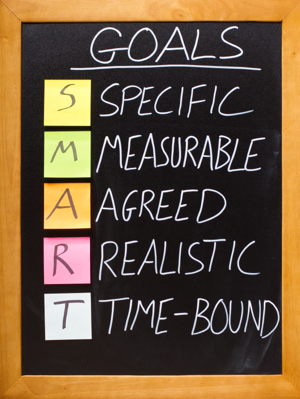
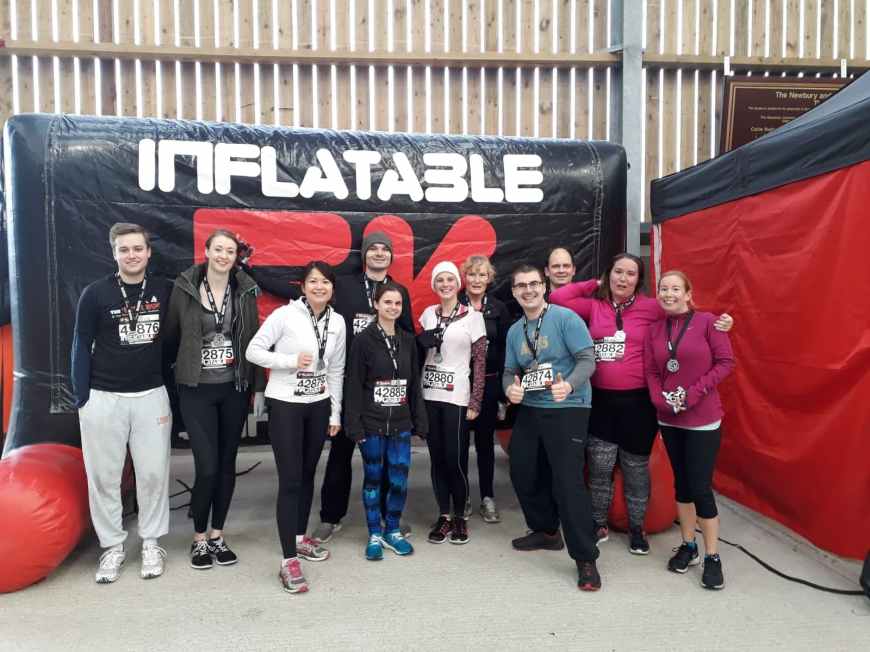
At the end of every GOAL should be a reward whether internal or external….Last Sunday that’s exactly what we got when we took some of our Boot Campers to an 5k Inflatable Obstacle Race…Not only did we all get medals and freebies but of us including our trainers felt an immense sense of achievement that already has us focused on finding our next challenge.
What will your next challenge be?

